
UV-Stable Flooring That Resists Yellowing
Polyaspartic floor coating in Mapleville for garages and entryways exposed to sunlight through windows and doors
Traditional epoxy coatings yellow when ultraviolet light hits them repeatedly, creating a discolored appearance within months if your garage has south-facing windows or doors left open during warmer seasons. Polyaspartic resin maintains color stability under UV exposure while offering a cure profile that works across the temperature range typical in Rhode Island residential spaces. The Perfectionist Coatings & Polishing installs polyaspartic coatings throughout Mapleville and surrounding service areas, focusing on properties where aesthetic consistency matters as much as chemical resistance and where low-VOC formulations align with indoor air quality preferences.
The installation follows a similar surface preparation process as epoxy but uses a resin chemistry that cross-links faster, which means less dust can settle into the coating before it hardens. This results in a smoother final appearance with fewer imperfections visible under direct light.
Request a detailed estimate that accounts for your garage's sun exposure and ventilation characteristics.
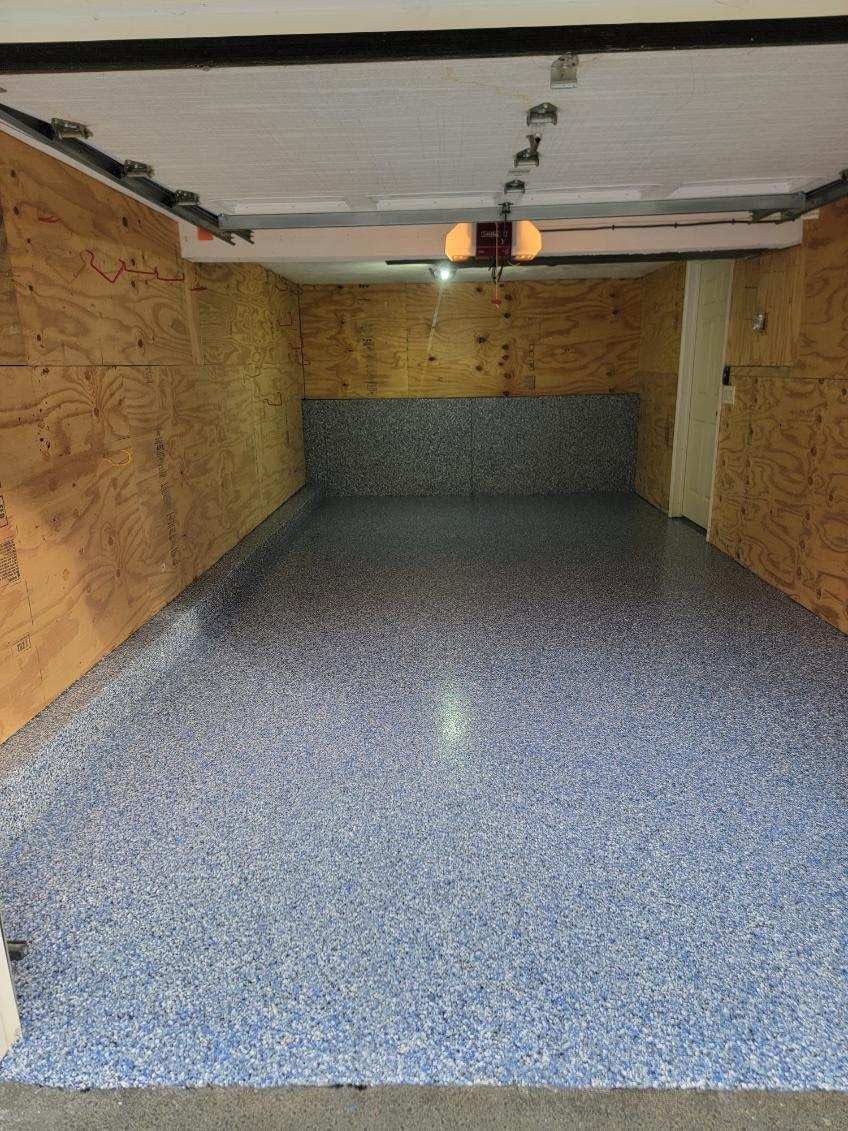
What Proper Application Requires
Polyaspartic coatings demand precise mixing ratios and application timing because the cure window is shorter than standard epoxy, leaving less room for adjustment once the material is on the floor. The resin self-levels better than many alternatives, which helps create an even finish without visible roller marks or brush strokes, but it also means any contamination on the substrate shows through the final coating.
After curing, your floor shows consistent gloss from wall to wall rather than developing dull patches where foot traffic concentrates, and it resists the amber tint that develops on epoxy floors in sun-exposed areas. The surface hardness matches or exceeds standard garage coatings while maintaining flexibility that prevents cracking when the concrete underneath shifts slightly during seasonal ground movement common in New England climates.
Polyaspartic works well for homeowners who want a finished appearance comparable to showroom floors but need the coating completed quickly to minimize household disruption. The material costs more per gallon than basic epoxy, but the durability and UV stability offset the initial investment for properties where the floor remains visible and aesthetically important.
Answers to Frequent Service Questions
Homeowners considering polyaspartic often compare it directly to other coating options and ask about performance differences.
What distinguishes polyaspartic from polyurea?
Both resist UV degradation and cure quickly, but polyaspartic typically costs less and offers a slightly longer working time during application, making it more forgiving for residential-scale jobs.
How does cost compare to standard epoxy coatings?
Polyaspartic resin runs higher per square foot due to material expense, but the difference often totals a few hundred dollars on a typical residential garage when compared to mid-grade epoxy systems.
When is polyaspartic the better choice over epoxy?
Properties in Mapleville with significant window exposure, homeowners sensitive to solvent odors, and projects requiring same-day turnaround all favor polyaspartic over traditional epoxy formulations.
What temperature range allows proper polyaspartic application?
The material cures reliably between 35 and 95 degrees, making it suitable for spring and fall installations when garage temperatures fluctuate throughout the day.
How long does polyaspartic flooring last in a residential garage?
Expect 12 to 18 years of service life under normal use, with degradation typically appearing as surface scratching rather than coating failure or delamination.
The Perfectionist Coatings & Polishing applies polyaspartic alongside epoxy and polyurea, selecting the resin system based on your specific job requirements and environmental conditions. Schedule a property consultation to review your garage layout, lighting, and usage patterns.