
Outdoor Concrete Protected From Seasonal Stress
Patio coatings in Mapleville for exterior surfaces enduring freeze-thaw cycles and UV exposure year-round
Freeze-thaw cycles crack unprotected patio concrete, salt spray from winter maintenance accelerates surface degradation, and UV exposure fades any color over time. Epoxy and polyaspartic coatings create a sealed layer that blocks moisture infiltration and resists weathering, extending the functional lifespan of exterior concrete across Rhode Island and Massachusetts. Smaller residential patios can be coated and cured in a single day, while larger commercial installations require multi-day timelines to ensure proper adhesion and weather resistance.
Polyaspartic systems cure quickly even in cooler temperatures, making them suitable for spring and fall installation when epoxy would take too long to harden. The coating bonds to clean, prepared concrete and forms a flexible membrane that moves with the slab as temperatures shift, preventing the cracking that rigid coatings experience. Color options remain stable under direct sunlight, so the patio maintains its appearance through multiple seasons.
Schedule a patio evaluation to review surface condition and discuss color options that suit your outdoor design.
What Proper Surface Preparation Requires Outdoors
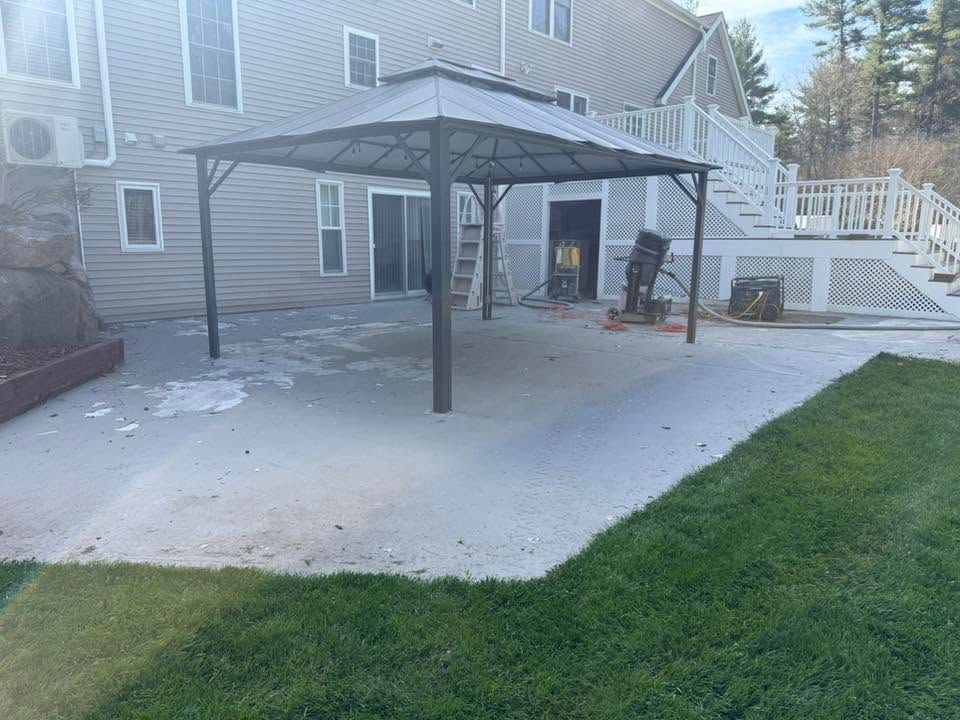
Outdoor concrete accumulates dirt, organic stains, and efflorescence that prevent coating adhesion, so preparation involves pressure washing, grinding, and degreasing before any product goes down. The Perfectionist Coatings & Polishing ensures the surface is clean and porous enough for the coating to bond mechanically, which determines whether the system stays intact under foot traffic and weather exposure. Cracks get filled, uneven joints are leveled, and any existing sealers are removed so the new coating contacts bare concrete.
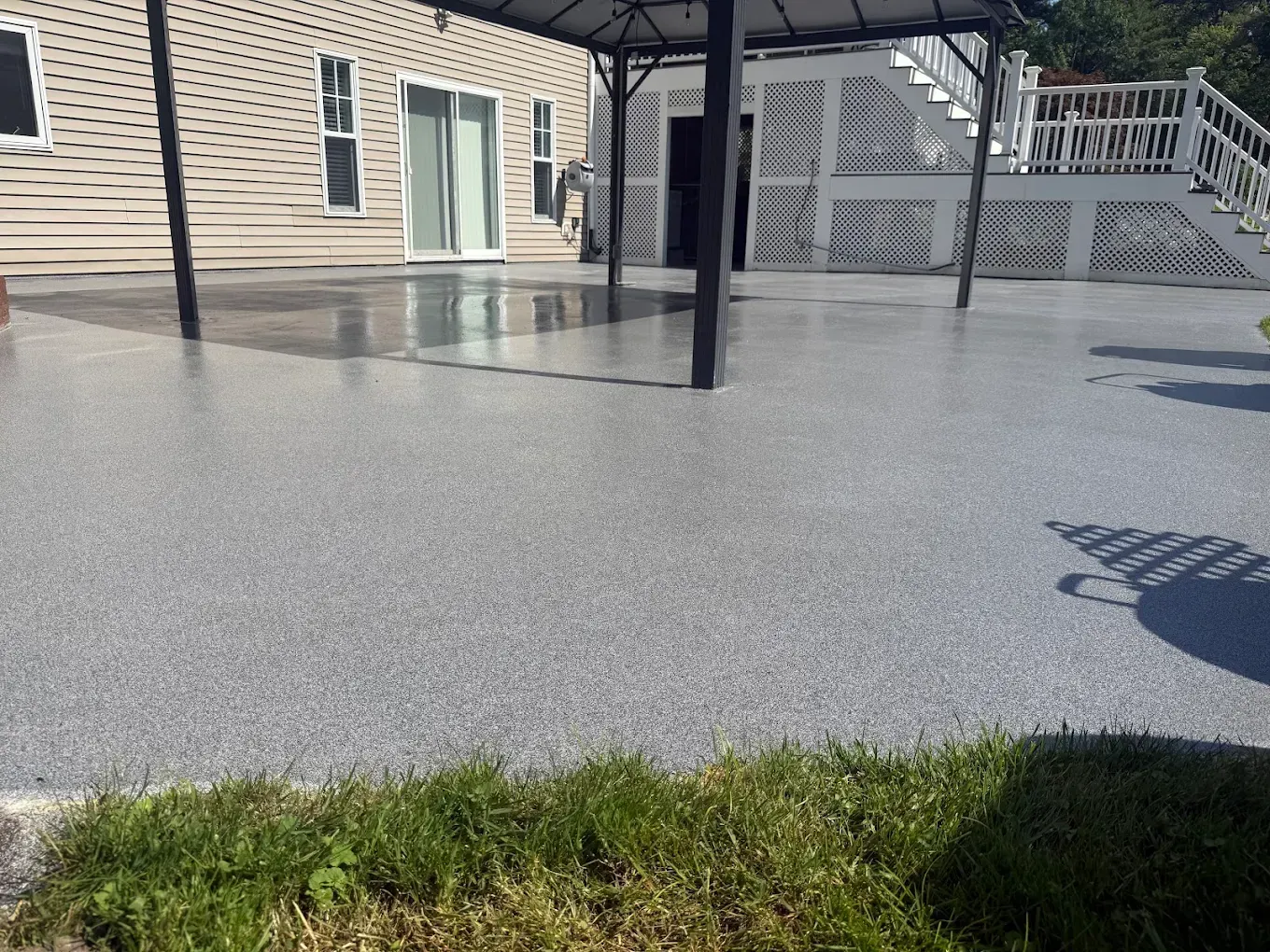
After curing, the patio sheds water instead of absorbing it, preventing freeze-thaw damage during winter months. You'll see fewer surface cracks develop, and the coating resists staining from grease, plant tannins, or algae growth. The non-porous surface also makes cleaning easier, since dirt and debris no longer embed into the concrete texture.
Coatings extend patio life but do not fix underlying drainage problems or structural settlement. Patios with standing water or ongoing movement need those issues resolved before coating application prevents further damage.
Answers to Patio Coating Questions
Property owners ask about durability, weather resistance, and maintenance before committing to coating outdoor concrete.
What type of coating holds up best on patios exposed to snow and ice?
Polyaspartic coatings remain flexible through temperature swings and resist damage from freeze-thaw cycles better than rigid epoxy, making them ideal for Mapleville's winter conditions.
How soon after installation can the patio handle furniture and foot traffic?
Same-day installations using polyaspartic allow light use within hours; heavier items like grills or planters should wait until full cure completes, typically by the next day.
Can you coat a patio that already has surface cracks?
Small cracks get filled during prep, but large structural cracks indicate movement that coatings cannot stop; addressing the cause of cracking comes before coating application makes sense.
Does the coating make the patio slippery when wet?
Texture additives can be incorporated during application to maintain traction, ensuring the surface remains safe during rain or after washing.
How does UV exposure affect coating color over time?
Polyaspartic and high-quality epoxy formulations resist UV degradation, so color remains stable through years of direct sunlight exposure across Rhode Island and Massachusetts outdoor environments.
The Perfectionist Coatings & Polishing applies patio coatings designed to survive exterior conditions while maintaining appearance and function through seasonal weather extremes. Set up a property visit to assess your patio and determine the coating system that matches your climate exposure and usage patterns.